
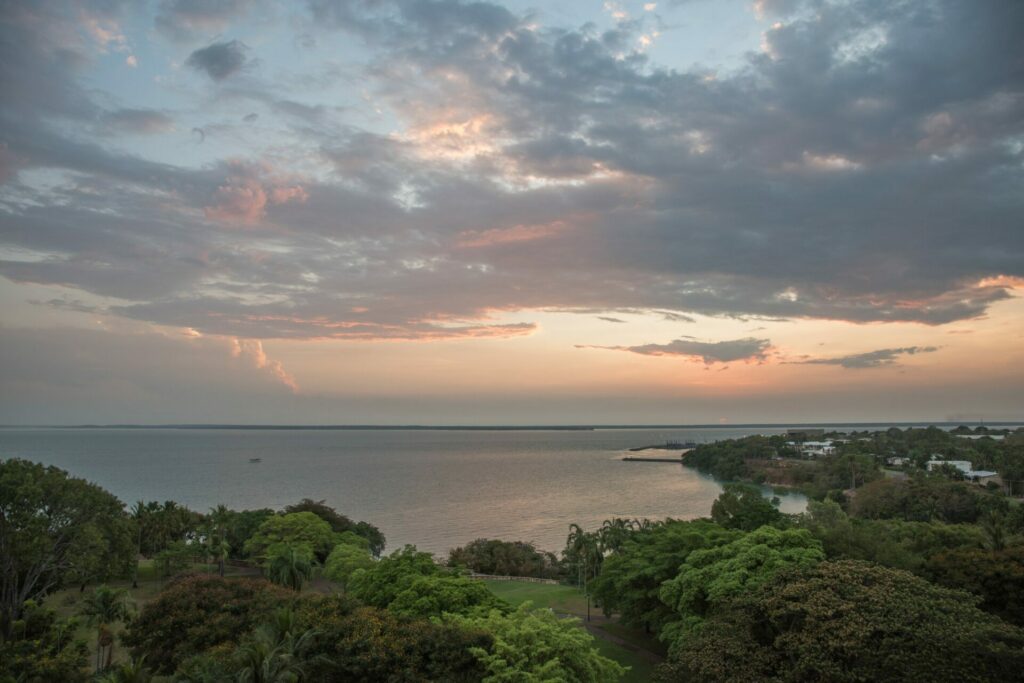
Each year in February, Darwin City pauses to remember one of the most significant and confronting moments in Australia’s history. On 19 February 1942, the city became the target of the largest enemy attack ever launched on Australian soil — an event that would forever change Darwin and reshape the nation’s understanding of World War II.
Now more than 80 years on, the anniversary of the bombing remains a solemn occasion across the Top End and throughout Northern Australia. What unfolded on that fateful day marked the first direct attack on the Australian mainland and the beginning of a war fought over northern Australia.
Today, as visitors travel to the Northern Territory, Darwin offers a unique opportunity to not only learn about this pivotal moment in history, but to experience it through preserved sites, museums, memorials and expert-led tours. Visiting around the anniversary of the bombing is especially powerful, offering a deeper sense of connection, reflection and remembrance — a chance to reflect on our past and pay tribute to those who lost their lives.
Want to know all about planning your trip to Darwin? Scroll to the bottom of the post to see which site locals use to book hotels, where trusted travelers book tours, and how to find the best flight deals. Or Click Here to be taken there now.
19 February 1942: The Day Darwin Changed Forever
In 1942, Darwin was a small but strategically vital port town. Its harbour, airfields and many civilian and military facilities made it a key link between Australia and Allied forces operating in the Pacific.
Shortly before 10 am on 19 February, formations of 188 Japanese aircraft mounted a deadly air raid on Darwin. More than 240 aircraft attacked Darwin across the day, and over 300 bombs were dropped.
The Japanese forces focused on ships tied up at the wharf, airstrips, fuel supplies and government infrastructure. The attack caused widespread bomb damage across the town — from the Darwin Post Office, which suffered a direct hit killing the post-master, to Government House, Chinatown and buildings along the Esplanade.
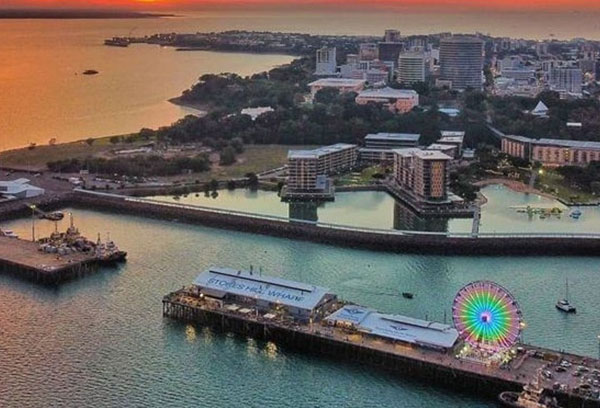
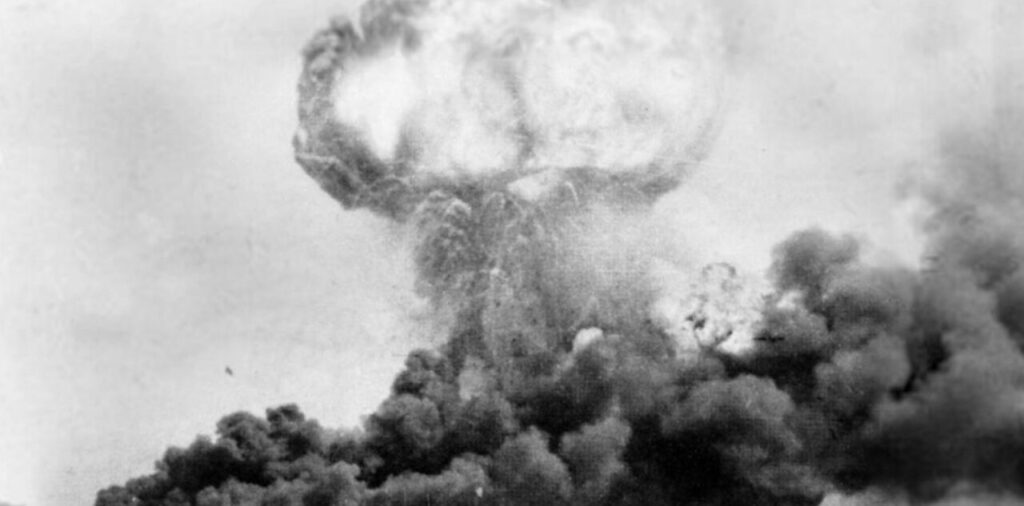
Ships were sunk and many civilian and military facilities were damaged. The American destroyer USS Peary, tied up at the wharf near Stokes Hill Wharf, was struck by bombs and sank in the harbour. The ammunition ship Neptuna exploded after being hit, sending wreckage and devastation across the waterfront. At least 21 wharfies were killed in the attack, along with sailors, servicemen and women, and civilians.
Official figures state that at least 235 people were killed and more than 400 were wounded, though some estimates suggest the number may have been higher. For many Australians, the deadly air raid on Darwin shattered the belief that the mainland was safe from attack and brought the realities of war closer to home than ever before.
A Sustained Campaign Across Northern Australia
The Bombing of Darwin was not a single event. Air raids continued until 12 November 1943, with at least 64 attacks on Darwin and other parts of northern Australia, including Katherine.
The conflict transformed the Top End into a fortified defence zone, with artillery batteries, airstrips and bunkers built across the region. Thousands of service men and women were stationed in the Territory, operating anti-aircraft guns in harsh tropical conditions. Indigenous communities also played a vital role, assisting with surveillance and support efforts.
Meanwhile, women and children were evacuated south, and life in Darwin was shaped by blackouts, air-raid sirens and constant uncertainty.
Follow Us
Get your daily fix of Northern Territory beauty by following us on Instagram

Join our Newsletter List
Be the first to get travel hints and local recommendations.

Commemorating the Anniversary
In the decades following WWII, the full devastation suffered by Darwin was not widely discussed. In 2011, the Bombing of Darwin Day joined Anzac day and Remembrance Day as a National Day of Observance.
Each year, commemorative services are held at Bicentennial Park and the Darwin Cenotaph, where the community gathers to commemorate the anniversary of the bombing. These services provide an opportunity to pay tribute to those who lost their lives and to honour those who fought to protect Australia during active service.
The Northern Territory Library and local historical institutions preserve photographs, records and personal stories from the bombing, helping future generations understand the impact of this fateful day.
Places to Learn and Reflect in Darwin Today
Darwin offers a number of important sites where visitors can engage with WWII history in a respectful and informative way.
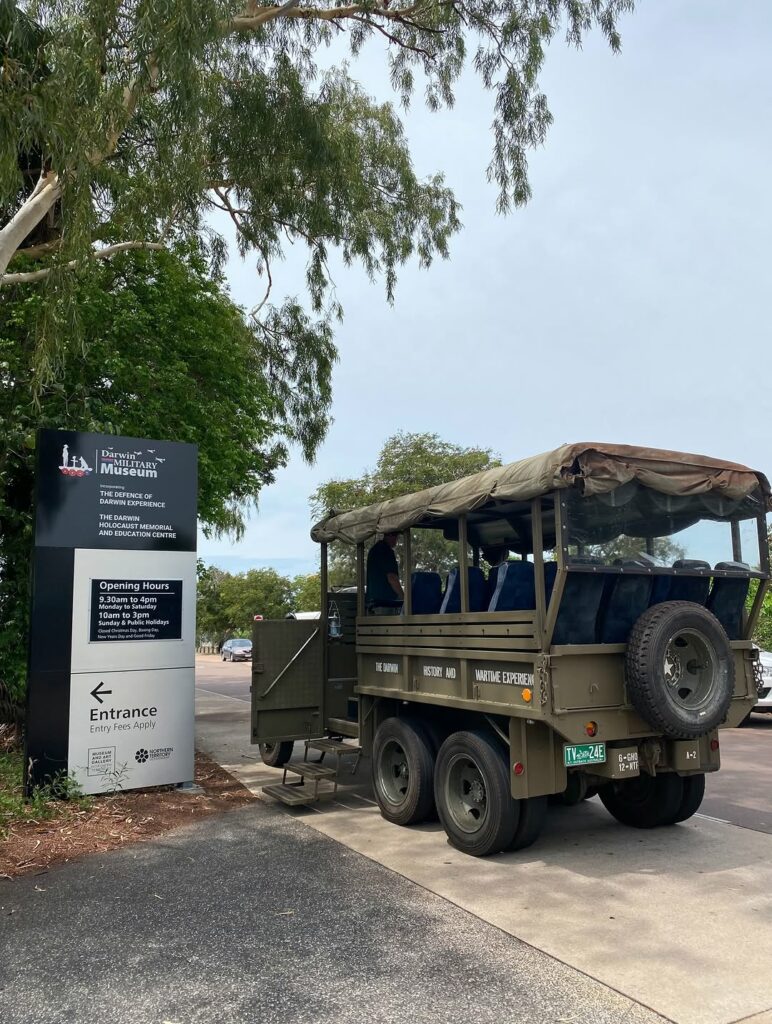
Darwin Military Museum – East Point
Located in the historic East Point Military Reserve on the northern fringes of Darwin Harbour, the Darwin Military Museum offers one of Australia’s most immersive and comprehensive insights into the Bombing of Darwin and the broader wartime defence of northern Australia. The site itself was once a heavily fortified coastal defence position, part of a network of fortifications built to protect Darwin from enemy attacks during World War II. Visitors can experience:
Defence of Darwin Experience
- Multimedia presentations on Darwin before, during and after World War II
- First-hand accounts from servicemen and civilians
- Interactive StoryShare booth to record personal wartime stories
- Insights into Darwin’s role as a strategic military hub
Historic Artefacts & Photographs
- Rare images from the air raids
- Weapons, uniforms and equipment used by allied forces
- Personal items and interpretive displays highlighting resilience
Outdoor & Additional Galleries
- Original gun emplacements and coastal defence artillery overlooking the harbour
- Military vehicles and heavy equipment on display
- Exhibitions including Australians Under Arms, Vietnam War displays and the Holocaust Memorial and Education Centre
WWII Oil Storage Tunnels
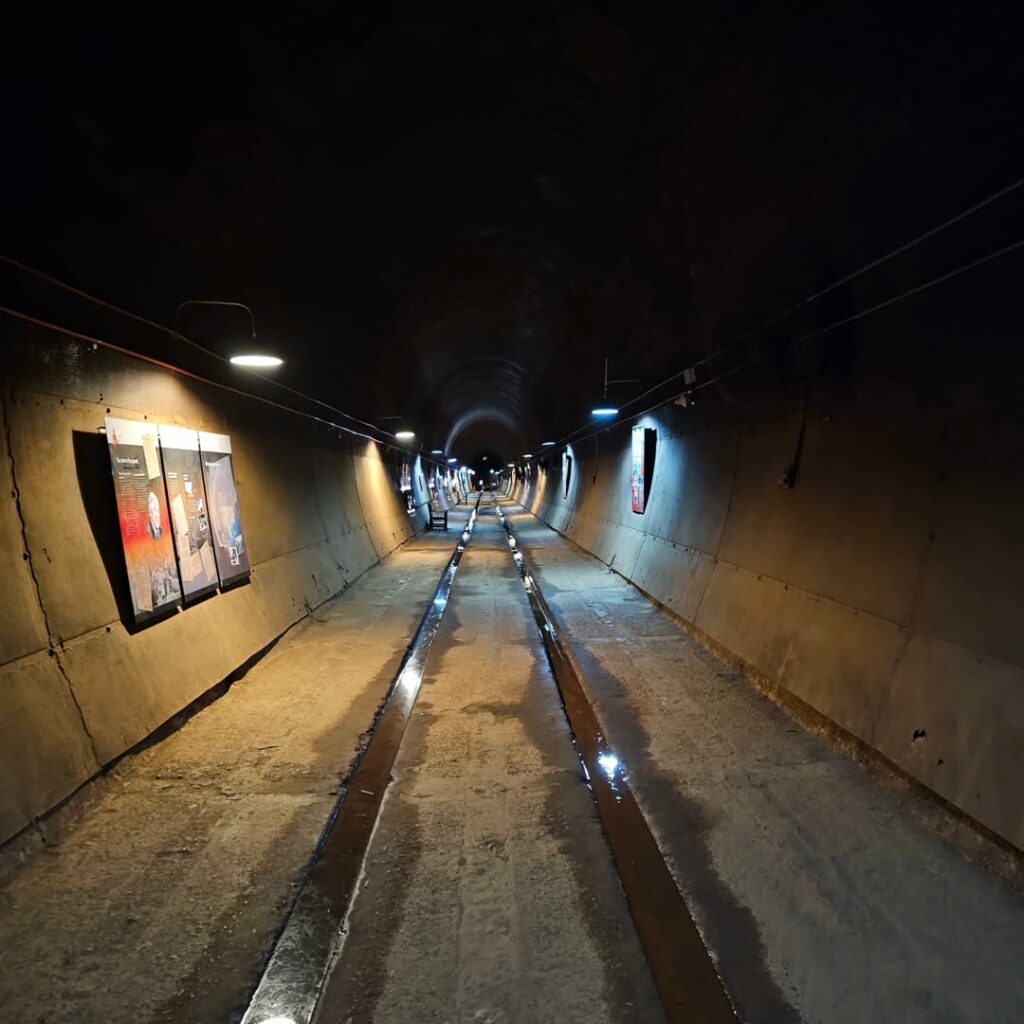
Built in secrecy after the devastating air raids of 1942, the WWII Oil Storage Tunnels were constructed to protect vital fuel supplies from further bombing.
Carved into the escarpment beneath Darwin city, the tunnels were designed to store large quantities of oil safely underground, ensuring Allied ships and aircraft could continue operating from this strategic northern base.
Although the project was never fully commissioned as intended, the tunnels remain a powerful reminder of the urgency and scale of Darwin’s wartime preparations.
Today, visitors can walk through sections of the cool, concrete-lined tunnels and experience this hidden piece of history firsthand. Interpretive panels throughout the site explain how and why the tunnels were built, the engineering challenges involved, and Darwin’s crucial role in the Pacific theatre during World War II.
The tunnels are open to the public during designated hours, with self-guided exploration allowing you to move at your own pace.
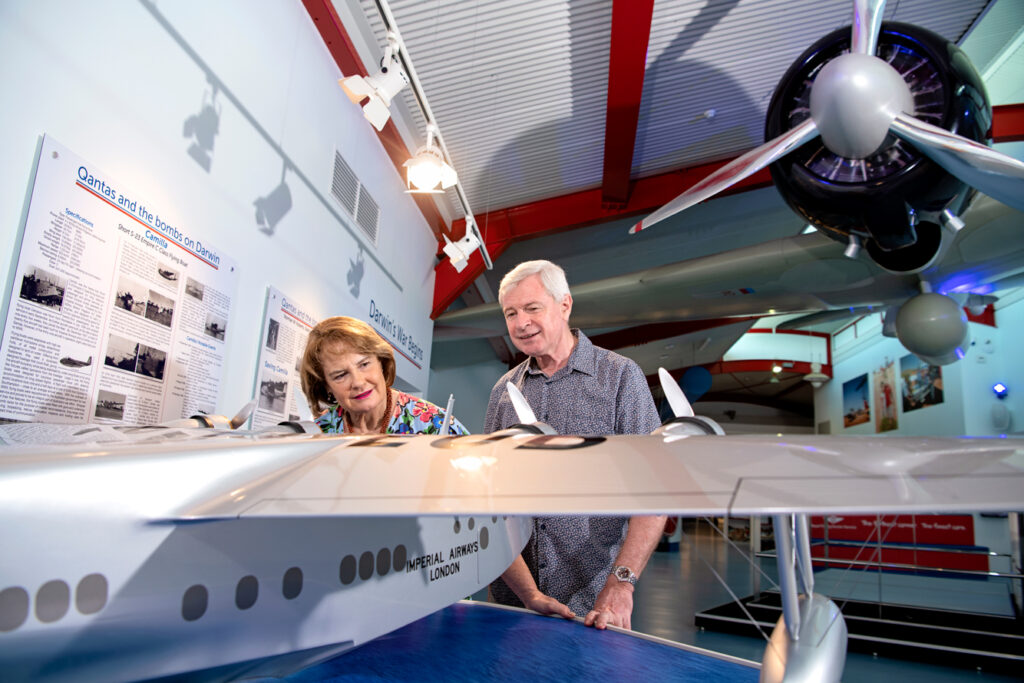
Darwin Aviation Museum
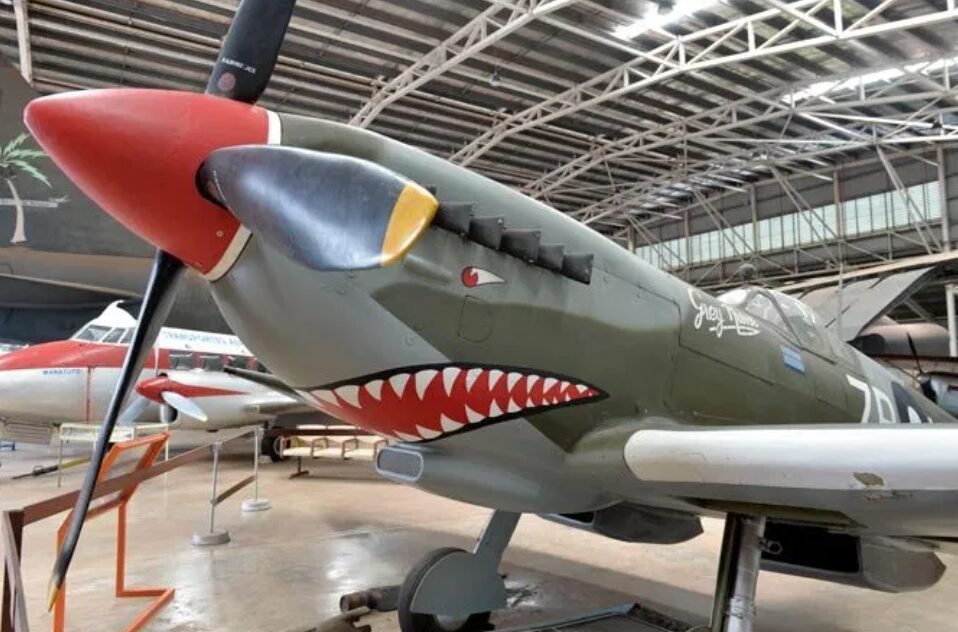
The Darwin Aviation Museum is a major aerospace and history museum dedicated to preserving and showcasing Australia’s aviation heritage, especially its significant role during World War II.
Established from the efforts of the Aviation Historical Society of the Northern Territory and first opening in 1988, the museum features an extensive collection of both civil and military aircraft, historic engines, and aviation artefacts.
One of its standout exhibits is a massive Boeing B-52G Stratofortress bomber on display — one of only a few outside the United States — alongside fighter jets like the F-111C, Mirage and Sabre, and relics such as the wreckage of a Japanese Zero fighter shot down in the 1942 Darwin air raids.
Memorials and Outdoor Sites
Beyond the museums mentioned above, visitors can also see memorials and other sites around the city that serves as reminders of Darwin’s wartime past.
- Bicentennial Park and the Darwin Cenotaph – central locations for anniversary services.
- Charles Darwin National Park – preserves bunkers and WWII artillery positions.
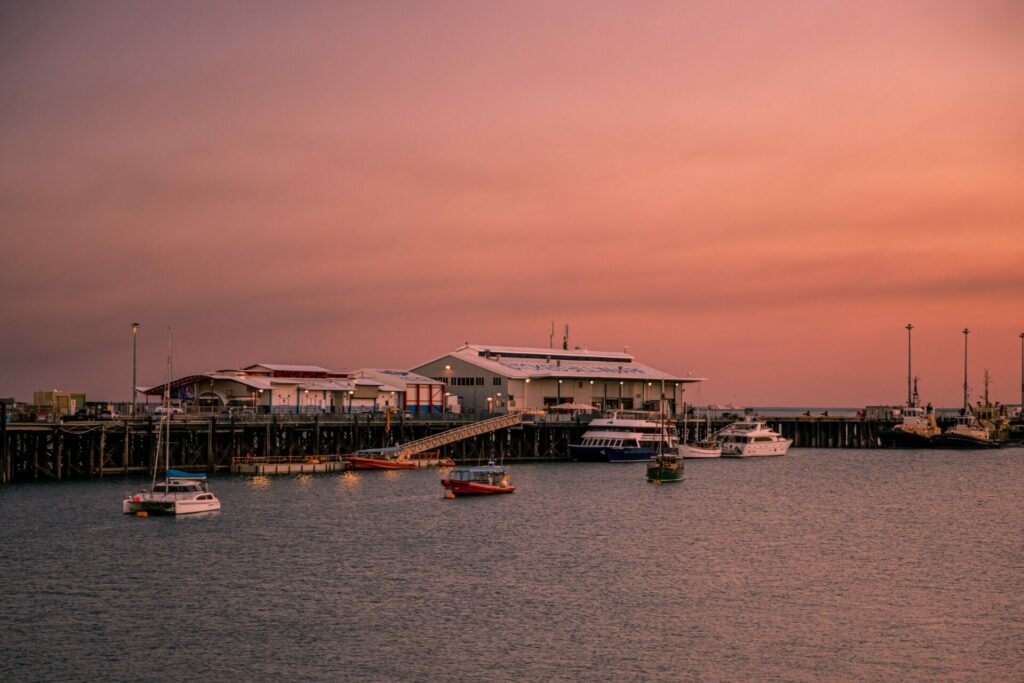
- Stokes Hill Wharf and the Esplanade – once scenes of destruction, now peaceful waterfront areas ideal for reflection.
- Adelaide River War Cemetery – located south of Darwin near Adelaide River, this cemetery honours many service men and women who died in the defence of northern Australia.
Experiencing History Through Guided Tours
One of the most meaningful ways to understand the Bombing of Darwin is through expert-led tours that bring the stories and locations together.
Aviation Attraction Combo Ticket
⏰: 1 day (approx.)
📍: Darwin, NT
The Aviation Attraction Combo Ticket gives you access to two of Darwin’s premier aviation history sites with one pass:
- Royal Flying Doctor Service Darwin Tourist Facility
- Darwin Aviation Museum.
At the RFDS facility, interactive exhibits and cutting-edge technology bring to life the story of Australia’s iconic air medical service and include immersive presentations about the city’s experience during the Bombing of Darwin.
At the Darwin Aviation Museum, you can explore historic civil and military aircraft — from bombers to fighters — and view relics and footage that tell the story of aviation in the Top End, including its wartime past.
Darwin Cyclone 30
⏰: 30 minutes
📍: Darwin, NT
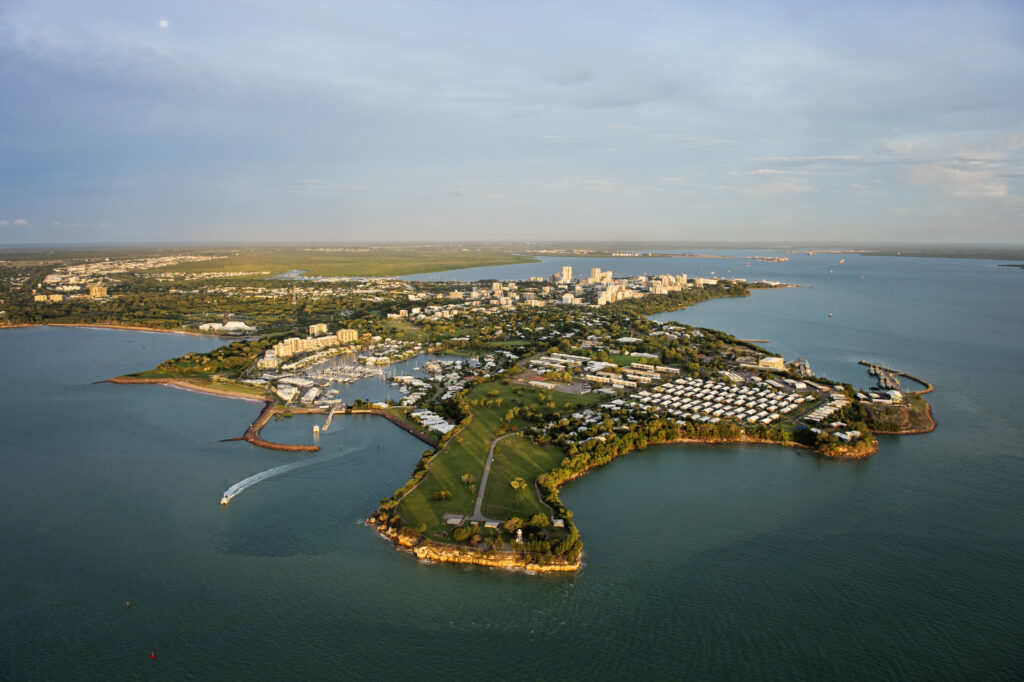
The Darwin Cyclone 30 is an exhilarating 30-minute helicopter flight showcasing sweeping aerial views of Darwin’s coastline, harbour and city from above. It’s a spectacular way to appreciate the scale of the harbour and the landscape that shapes life in the Top End.
From the air, you’re also flying over a region central to Australia’s military past. You’ll view locations affected by the Bombing of Darwin from a unique vantage point in the skies. Seeing this historic setting from above offers a powerful reminder of the city’s role in World War II.
WWII Reflections Walk
⏰: 2 hours (approx.)
📍: Darwin, NT
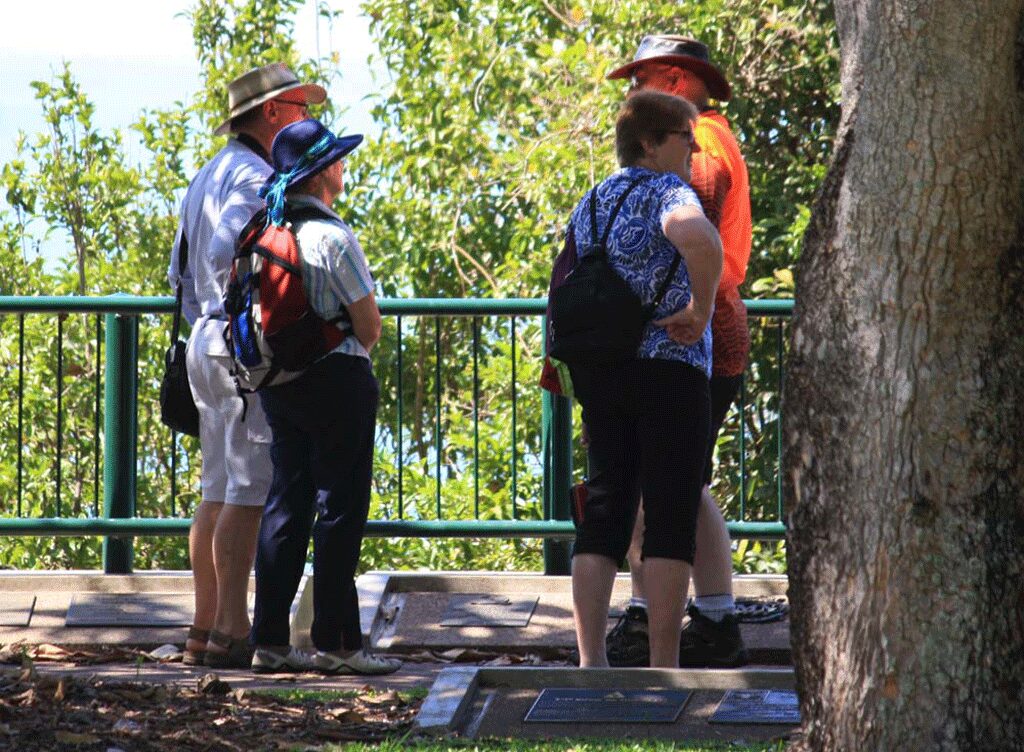
The WWII Reflections Walk is a guided tour through Darwin’s historic precinct that explores the impact of the Japanese air raids on 19 February 1942. Led by a knowledgeable local guide, the walk shares powerful stories of wartime Darwin, bringing to life the people, places and events that shaped the city during World War II.
Along the way, you’ll visit significant sites including Parliament House and Bicentennial Park, where memorials honour those who served and lost their lives. It’s a meaningful and informative experience for anyone interested in Darwin’s wartime history and resilience.
Visiting During the Anniversary Period
February in Darwin falls during the wet season. It is hot, humid and often stormy — conditions similar to those faced by service men and women in 1942.
If visiting around 19 February:
- Book tours and accommodation early.
- Allow time to attend commemorative services.
- Visit sites such as the Darwin Post Office location, Government House grounds and the wharf precinct to understand the scale of bomb damage.
- Approach memorials and historic sites with respect.
Remembering the Bombing of Darwin is about more than revisiting the past. It is about honouring those who lost their lives, acknowledging the courage of those who courageously defended our country, and recognising the contributions of Indigenous people, gunners, nurses and civilians who supported the war effort.
It marked the first major attack on Australian soil and remains one of the most significant events in the nation’s wartime history.
Through museums, memorials, archives such as the Northern Territory Library, and guided experiences, visitors can engage with this history in a thoughtful and respectful way. For those travelling to the Top End, it is an opportunity to connect with a defining chapter of Australia’s story — one that continues to be remembered each February in the heart of Darwin.
Norther would like to invite you to explore more about the beauty of Darwin here. And… as always, you can get more inspiration for other National Parks & Destinations to visit by following @northerhq or get your Darwin City daily fix by joining our FB group Darwin We 💙 Love You by Norther®
Heading to the NT? Here’s What You Need to Get Started
Travel Insurance
Whether you’re from Australia or across the globe, it’s a great idea to get insurance to cover unexpected accidents or medical emergencies. AllClear and Cover More are our favourite travel insurance providers to give us the peace of mind while heading to the outback.
Flights
For the best deals on flights, we recommend using Trip.com. It’s super easy to compare prices across different airlines and booking sites. I always find great options for my trips, and it saves me so much time and money!
Hotels
We always recommend using Booking.com for hotels. They have a variety of accommodation options and great filters to help you find the perfect place for your trip to the NT. With amazing deals, a great loyalty program, and the largest selection of hotels and rentals, it’s our favourite place to book rooms.
Tours
Tours, either multi-day, half-day, or private excursions, are a great way to experience the NT. Viator has a great selection of activities to help you travel the Territory and learn from locals.
Car Rental
If you're looking to rent a car to explore the Territory on your own, we suggest checking out Budget. It’s so easy to compare prices and find the best option from their huge selection of cars. Or try Rentalcars.com to see cars from all rental companies in the NT.
National Parks Pass
If you live outside the NT and plan on visiting national parks, you'll need a Parks pass. Choose from a day pass, a 2-week pass, 12-month pass, or family pass at NT.gov.au. If you're an NT resident be sure you bring your NT driver licence or proof of residency. Note: Park Passes are not accepted at Kakadu or Uluru-Kata Tjuta National Parks. Purchase those from Parks Australia.
Sim Card
If you're travelling and need a reliable connection, We'd recommend getting an eSIM from Airalo. Choose from data only or cellular connection. It’s super convenient and helps you stay connected without the hassle of swapping physical SIM cards or paying exorbitant fees to your wireless provider.