
In December 2024, to mark the 50th anniversary of Cyclone Tracy, the city of Darwin hosted a series of moving memorials, art exhibitions, concerts, and public events to honour survivors and remember those lost in this tragic yet defining moment in the city’s history.
The city’s vibrant arts scene played a central role in Cyclone Tracy’s 50th anniversary commemorations, with exhibitions showcasing the strength of spirit in the community.
Want to know all about planning your trip to Darwin? Scroll to the bottom of the post to see which site locals use to book hotels, where trusted travelers book tours, and how to find the best flight deals. Or Click Here to be taken there now.
The Storm That Changed Everything
Cyclone Tracy crossed the Darwin coastline early on Christmas morning in 1974, bringing with it unimaginable destruction and forever altering the city’s history. It remains one of Australia’s worst natural disasters.
The cyclone developed in the Arafura Sea and rapidly intensified as it moved toward the Top End. By the time it struck Darwin, it was a Category 4 system, with sustained winds estimated at 217 kilometres per hour (135 mph)—the last recorded reading before the anemometer at Darwin Airport was destroyed.
Unofficial estimates suggest wind gusts reached more than 296 kilometres per hour (184 mph), tearing apart nearly every structure in its path.
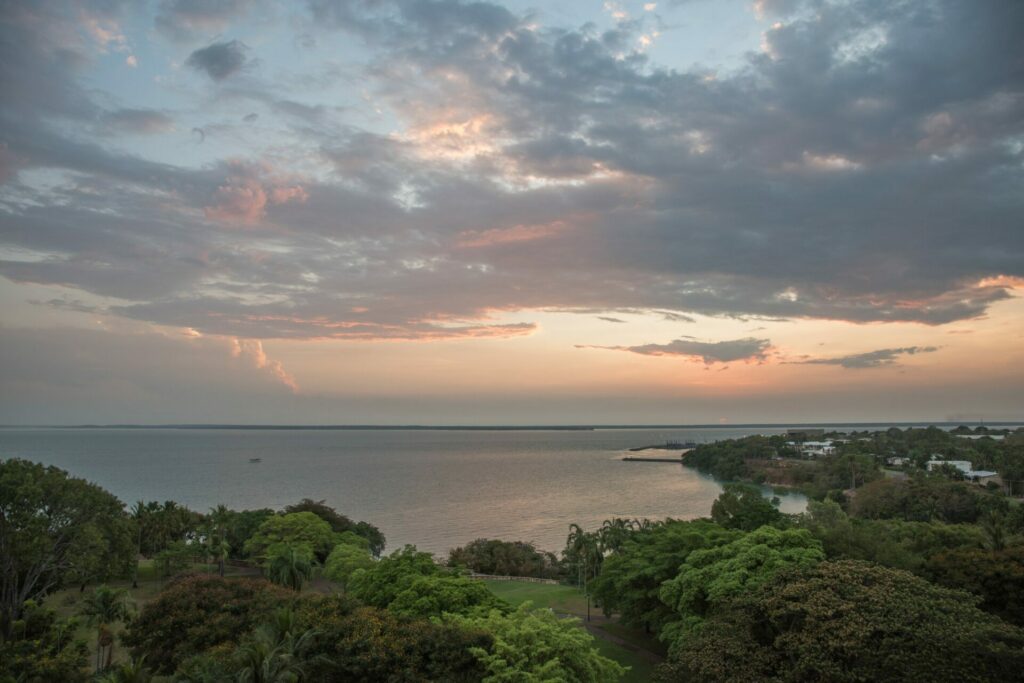
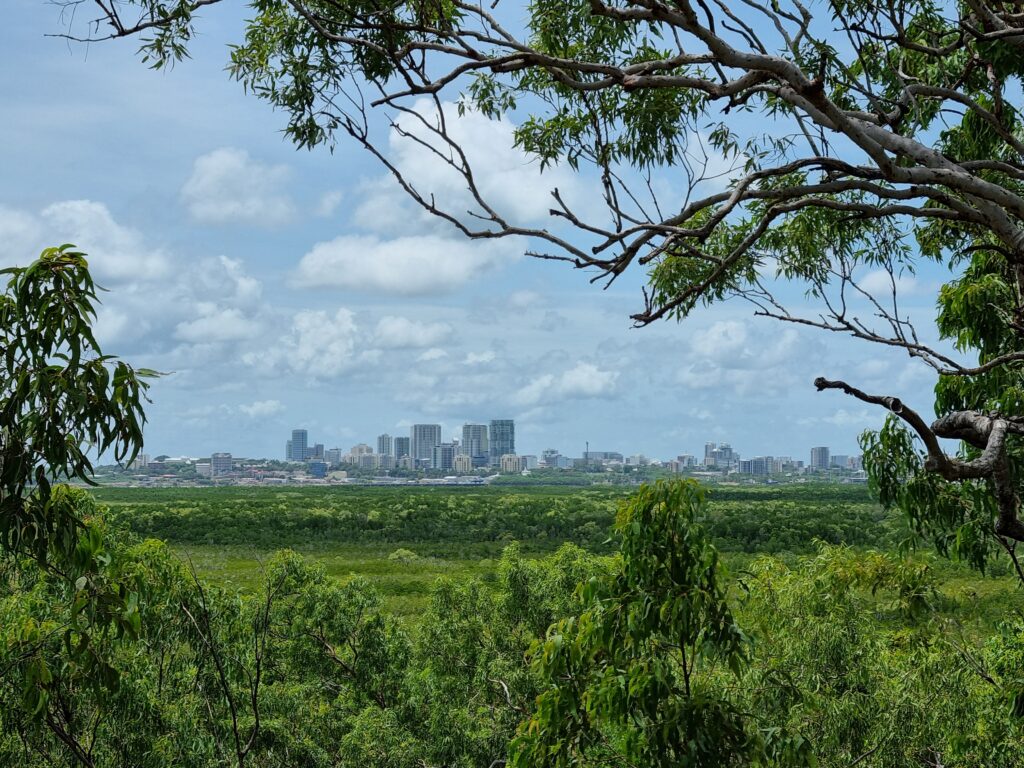
Cyclone Tracy brought destruction to almost every part of the city. Entire neighbourhoods were obliterated, and the city was left in ruins, with around 70% of buildings either completely destroyed or severely damaged.
Tragically, more than 66 people lost their lives, and thousands more were badly injured.
The cyclone left a sense of disbelief across the city, as residents woke up to a landscape that was unrecognisable. A ghost town.
It left an estimated 25,000 out of the 47,000 inhabitants homeless and required the evacuation of over 30,000 people
Communication lines were severed, power was lost, and basic services were nonexistent.
But it was in the midst of this chaos that the strength of the Darwin community began to shine.
Resilience in the Face of Disaster
While the destruction was devastating, the stories of survival that emerged from Cyclone Tracy remain a testament to human endurance.
Many locals recall how they sheltered in their homes or took refuge in evacuation centres, holding onto the hope that they would make it through the storm.
Some survivors even found themselves helping others in the aftermath, rebuilding their community in the face of overwhelming odds.
The efforts of emergency responders, from the military to local volunteers, were nothing short of heroic. Thousands of people were evacuated, and the nation responded with an outpouring of support.
The Australian Government sent troops and resources to aid in the recovery efforts, and within weeks, thousands of homes were being rebuilt. Slowly but surely, the city began to recover.
The rebuilding of Darwin in the years that followed became a symbol of national resilience, leading to major changes in building codes, cyclone warning systems, and disaster preparedness across the country.
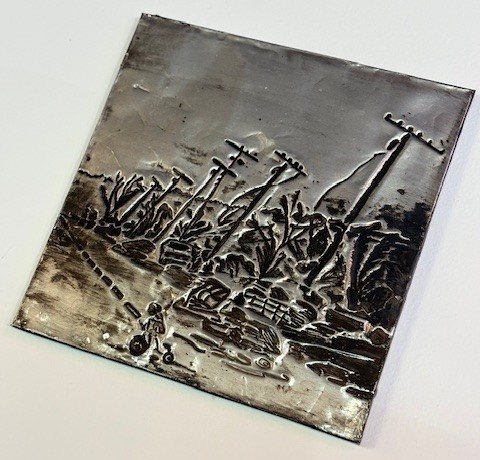
Cyclone Tracy: Darwin Remembers
Art Exhibits
Exhibitions around the city featured works from local artists who explored the emotional and physical scars left by the cyclone. The collections included photography, paintings, and mixed-media pieces reflecting the destruction, recovery, and rebuilding of Darwin.
Public Talks and Panels
Public talks and panels allowed survivors to share their stories, fostering intergenerational conversations about the cyclone’s legacy.
Services were held, with a moment of silence observed at dawn in memory of Tracy’s survivors, who emerged that morning from their battered homes with little to no belongings left, uncertain of time and direction, unsure whether anyone else made it through the night.
Their lives were altered forever.
Concerts with Local Musicians
Concerts were held across the city, with local musicians performing in tribute to survivors of Tracy and those who were lost. Santa Never Made It into Darwin, a song by Bill and Boyd, was released mere months after the tragedy.
The song poignantly conveys the shock and loss felt by the community when the cyclone devastated the city, not only marring the entire Top End’s Christmas plans, but, for so many people, destroying the idea of Christmas Eve celebrations for years to come.
All over town, wherever the song was performed over the 2024 Christmas period, there was seldom a dry eye in the audience.
Unveiling of New Memorials
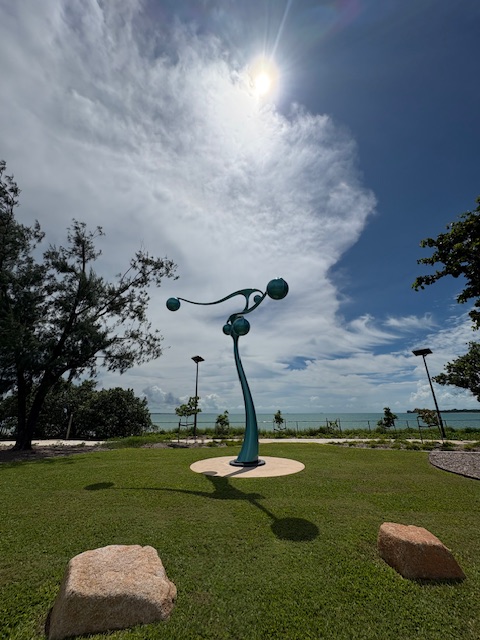
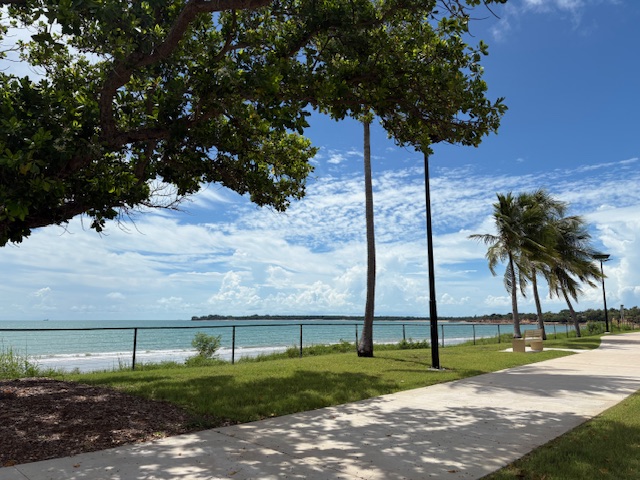
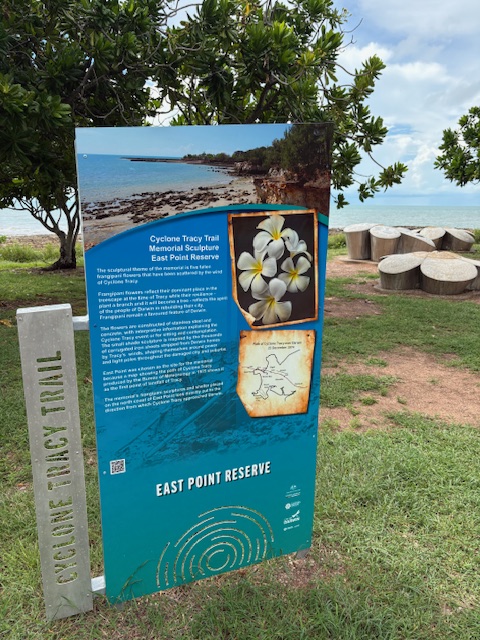
A number of events were held to unveil two new memorial areas for reflection and observance, overlooking the water.
One is located at Bundilla Beach, near the Museum and Art Gallery. It is a kinetic, perpetually moving piece that dances with the breeze at the head of the Cyclone Tracy Trail, which spans Fannie Bay.
The other is at East Point Reserve, depicting five large fallen frangipani flowers, one for each decade since Cyclone Tracy decimated Darwin.
Follow Us
Get your daily fix of Northern Territory beauty by following us on Instagram

Join our Newsletter List
Be the first to get travel hints and local recommendations.
Museum and Art Gallery of the Northern Territory
The museum, known locally as MAGNT, offers a poignant and immersive look into Cyclone Tracy. The exhibit first opened in 1994, marking 20 years to commemorate the devastating event that shook the region to its core. It was recently redeveloped to mark the 50th anniversary of Tracy, and while its look has evolved, some iconic features remain that allow visitors to truly feel the intensity of that fateful night.
Standout Exhibits
The standout element of the exhibition is a darkened sound booth that immerses you in the storm’s chaos. The booth plays a looped audio recording of the cyclone’s ferocious winds, pounding rain and tearing steel, along with vibrating walls—an eerie reminder of the force of nature on that fateful Christmas Eve.
It’s a haunting yet memorable way to connect with the history of the storm that forever changed Darwin.
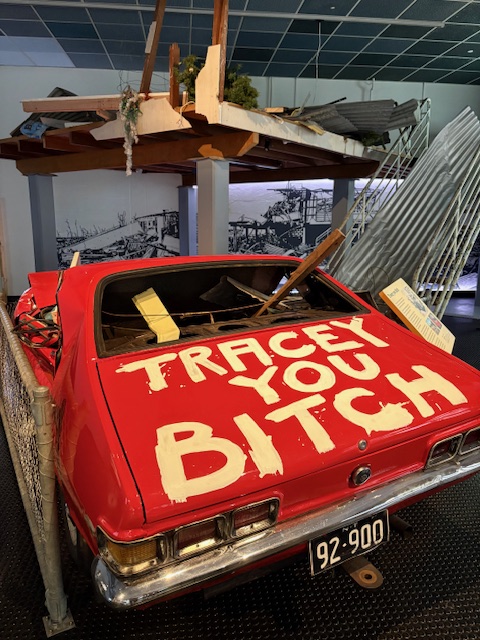
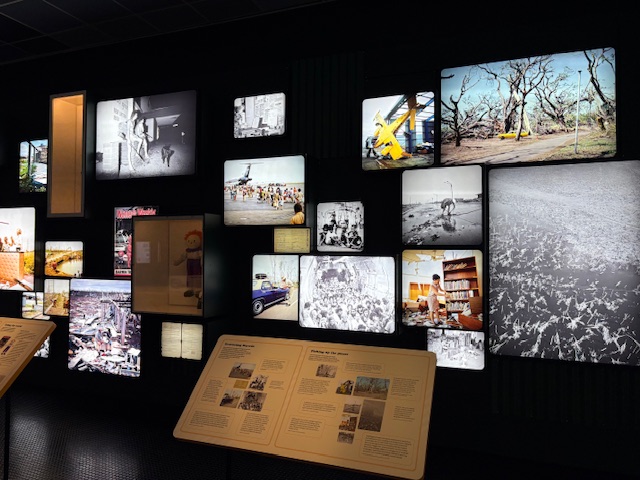
A commemorative replica of the iconic Holden Torana, adorned with infamous misspelled graffiti saying ‘Tracey You B*tch’, is among several new additions to the exhibit (pictured above).
New Exhibits
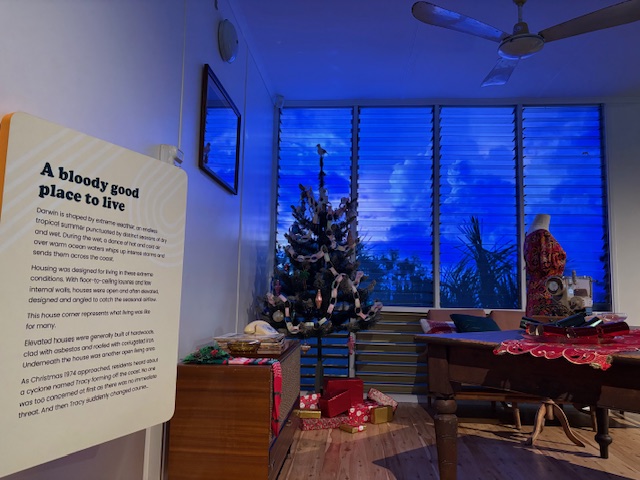
Also included in the revamped area of MAGNT is a recreated scene of a typical Darwin living room, and the office of the Bureau of Meteorology, complete with interactive functions such as a ringing phone you can pick up to hear the warnings of Tracy’s impending arrival.
Whether you’re a history buff or simply curious about the events that shaped Darwin, the Cyclone Tracy exhibition is a must-see experience.
The exhibit highlights the incredible efforts made in the recovery process, capturing the spirit of survival and rebuilding.
Visitors will encounter firsthand accounts of those who lived through the storm, bringing a deeply human element to the exhibition. It also showcases real pieces of wreckage and personal items from that time, helping to bring the stories of tragedy and triumph to life.
Tracy’s Legacy
Fifty years on, Cyclone Tracy’s influence is still seen in many aspects of life in the Top End. The disaster prompted major changes in building codes, leading to the construction of more cyclone-resistant infrastructure.
Today, new homes and public buildings are designed to a code, with the knowledge that they must withstand extreme weather events. Tracy’s legacy still resonates today and is a constant reminder of the importance of preparation during cyclone season.
Cyclone Tracy not only led to an evolution in emergency management practices, but it also shifted the way Australians perceive the vulnerability of their environment. Northern Australia now carries a heightened awareness of the potential impacts of severe weather.
Tracy was a wake-up call that reshaped how individuals and governments approach emergency preparedness.
The Art of Resilience
The 50th anniversary commemorations were an opportunity for the city to acknowledge those who lived through the cyclone, as well as those who perished.
Memorial services, exhibitions, and community gatherings helped bring together a generation that had lived through the tragedy and younger generations who had only heard of it in stories.
At the heart of these commemorations was a sense of pride in the city’s sheer backbone.
The recovery from Cyclone Tracy was nothing short of extraordinary, with the city being rebuilt and thriving once again in a relatively short period.
This trait has become ingrained in the identity of Darwin, and the anniversary served as a reminder of how far the city has come, as well as how the memory of the storm continues to shape the community’s values.
While the commemorations have since passed, the exhibits at the Museum and Art Gallery of the Northern Territory are a great way of marking and commemorating this significant time in Darwin’s and Australia’s history.
Even if you aren’t a Darwin native, the exhibit is a chance to learn more about an event that dramatically shaped the city.
Cyclone Tracy was more than a natural disaster; it was a moment that redefined the spirit of Darwin. While the city’s scars remain, they are a testament to the strength of the people who lived through it. As Darwin looks toward the future, the lessons learned from the past 50 years will continue to inform and guide its preparedness for whatever challenges lie ahead.
Even after 50 years, we in Darwin still endure knock-’em-down storms with lightning that makes the earth tremble, enough rain in five minutes to last you a week, and winds that’ll send your umbrella to the next suburb, but as a city and a society, we stand strong and wouldn’t give up our city for quids.
As the 50th anniversary commemorations unfolded, the Northern Territory community and the entire Australian nation took time to reflect on the storm’s impact, the survival stories, and the remarkable recovery that followed.
This is how the city of Darwin remembers.
Have you visited the Cyclone Tracy exhibit? Tell us what you felt by tagging us on Facebook (@norther) or Instagram (@northerhq).
*Cover photo by Bailey May
Get your daily fix of Northern Territory beauty courtesy of Norther® by following @northerhq. You can also check out more Northern Territory content by following Norther on Facebook. Please sign up here to join our newsletter list to be the first to get travel hints and local recommendations for National Parks and Destinations in the NT.
Heading to the NT? Here’s What You Need to Get Started
Travel Insurance
Whether you’re from Australia or across the globe, it’s a great idea to get insurance to cover unexpected accidents or medical emergencies. Cover More is our favourite travel insurance provider to give us the peace of mind while heading to the outback.
Flights
For the best deals on flights, we recommend using Trip.com. It’s super easy to compare prices across different airlines and booking sites. I always find great options for my trips, and it saves me so much time and money!
Hotels
We always recommend using Booking.com for hotels. They have a variety of accommodation options and great filters to help you find the perfect place for your trip to the NT. With amazing deals, a great loyalty program, and the largest selection of hotels and rentals, it’s our favourite place to book rooms.
Tours
Tours, either multi-day, half-day, or private excursions, are a great way to experience the NT. Viator has a great selection of activities to help you travel the Territory and learn from locals.
Car Rental
If you're looking to rent a car to explore the Territory on your own, we suggest checking out Budget. It’s so easy to compare prices and find the best option from their huge selection of cars. Or try Rentalcars.com to see cars from all rental companies in the NT.
National Parks Pass
If you live outside the NT and plan on visiting national parks, you'll need a Parks pass. Choose from a day pass, a 2-week pass, 12-month pass, or family pass at NT.gov.au. If you're an NT resident be sure you bring your NT driver licence or proof of residency. Note: Park Passes are not accepted at Kakadu or Uluru-Kata Tjuta National Parks. Purchase those from Parks Australia.
Sim Card
If you're travelling and need a reliable connection, We'd recommend getting an eSIM from Airalo. Choose from data only or cellular connection. It’s super convenient and helps you stay connected without the hassle of swapping physical SIM cards or paying exorbitant fees to your wireless provider.